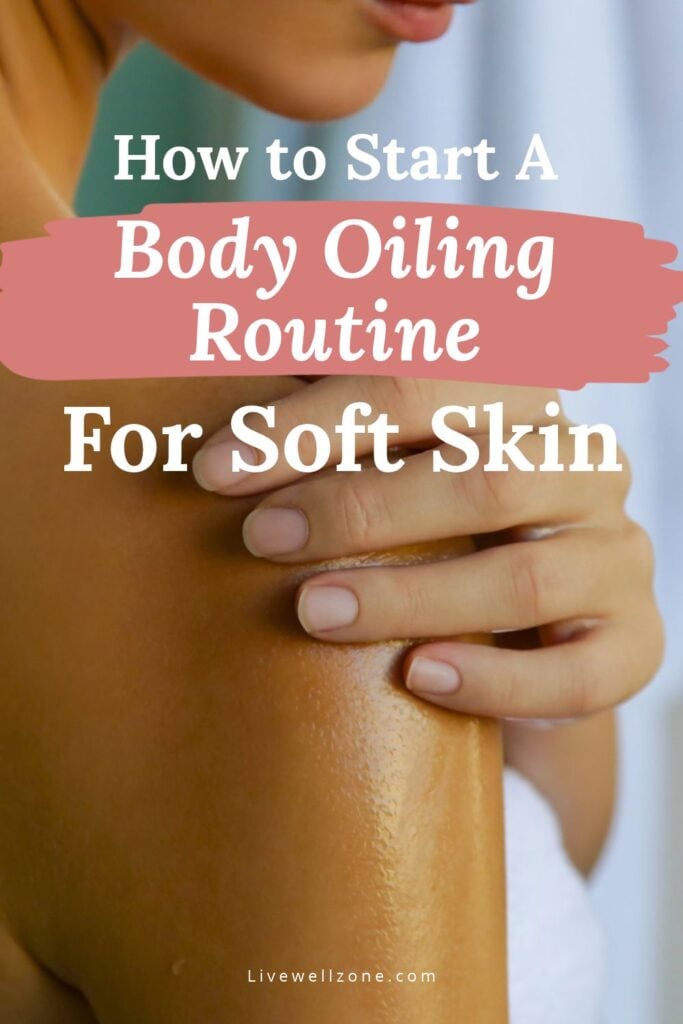
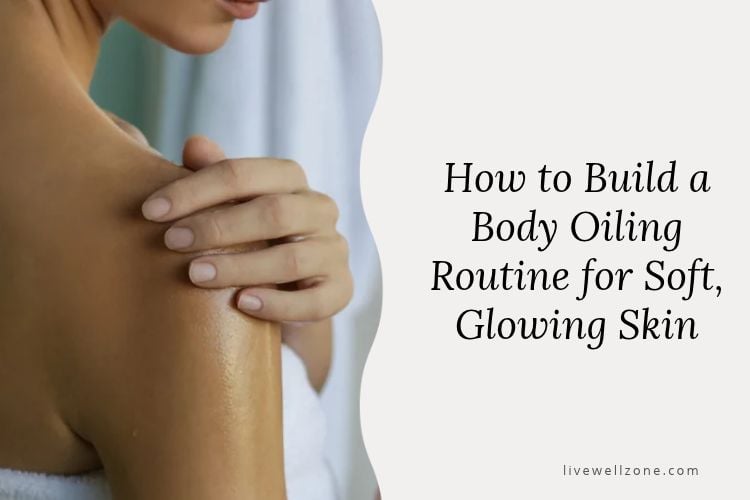
Think about how much attention you give your face: cleansers, masks, serums, moisturizers, oils…the list goes on.
Now think about the rest of your skin: does it get anywhere near the same amount of love?
Probably not 🙂
And that’s okay because caring for the skin on your body typically doesn’t involve as many products as the skin our face.
In fact, with just one product – a body oil – you can transform how your skin looks and feels. And when you apply that oil with presence and intentionality, the whole experience can become a lovely little self-care ritual.
So, in this article, we’re going to look at how to get started with body oiling, specifically
- Which body oils to use, including options for different seasons.
- How to apply body oil after showering for soft skin without feeling overly greasy.
- How to incorporate gentle massage and make body oiling an enjoyable ritual.
- Answers to common questions about damp skin, body lotion and pre-shower versus post-shower oiling.
Let’s dive in!
What Is Body Oiling
Body oiling is simply the practice of applying oil to your skin, usually while gently massaging it in.
People use body oils for different reasons, but one of the most common is to help soften the skin and reduce moisture loss.
But beyond the obvious skincare benefits, there’s also the fact that massaging the body with oil can be incredibly pleasurable, and a fantastic way to connect with yourself more deeply.
And this isn’t a new idea.
In Ayurveda, the traditional system of medicine from India, there’s a practice called Abhyanga.
Abhyanga involves massaging the body with warm oil, using specific strokes or massage movements. It is typically done before a shower.
In addition, Abhyanga recommends specific body oils based on the person’s dosha (aka their constitution), the season and other factors.
While Abhyanga is not the only way to approach body oiling, it’s worth knowing about it because it’s an example of how body oiling is used for more than just beauty.
If you’re curious about it, here’s a helpful introduction:
How to Build a Simple Body Oiling Routine
Now that we’ve covered the basics, let’s get into the practical stuff! The tips in this section focus on applying body oil after showering.
And the nice thing is that you can make it as simple or as elaborate as you like.
1. Choose a Body Oil That Your Skin Enjoys
This step doesn’t have to be complicated – although with so many oils on the market, it’s easy to spend too much time researching or evaluating options.
So, the simplest approach is choose based on the weather:
- During the hotter months, use a light oil. Almond and sweet apricot kernel are my two favorites for this.
- During the cold months, you can reach for something heavier. For me, that means coconut oil.
That’s it!
2. Apply Your Oil to Slightly Damp Skin
This is one of the most important parts of a post-shower body oiling routine.
You always want to apply your oil to damp skin so that the oil can lock in the moisture
Remember that oil is great for reducing moisture loss. So give your skin that moisture before you apply the oil.
This will also prevent the oil from simply leaving a greasy residue, which happens when you apply it to dry skin.
Now what this means is when you’re done showering, you have two options:
- Towel dry very, very lightly so that most of the water stays on your skin.
- Towel dry completely and then mist your body with water from a spray bottle.
The choice is yours.
Note: in the winter, I use a spray bottle that has a mix of water and glycerin. Glycerin is humectant, meaning it draws moisture and I find it helpful because my skin needs the extra help during the cold months. I’ve shared my personal mixture, along with the story of how I started using it, in my article on making a glycerin and water spray for dry skin.
3. Massage the Oil Into Your Skin
Now for the enjoyable part!
Pour a small amount of oil into your palms, rub your hands together and begin massaging it over your body.
You don’t need to follow any special, elaborate techniques
The idea is to give yourself a few minutes to pay attention to your body instead of rushing through yet another task.
Take Inspiration From Abhyanga
Abhyanga is usually done with warm oil and I highly recommend trying this at least once. It’s incredibly relaxing and makes the body oiling experience feel like a cocoon. Very soothing.
In addition, Abhyanga massage instructions often include long strokes along the limbs and circular movements around the joints. Some routines also involve massaging the scalp, ears and feet.
Feel free to experiment with one or more of these also.
4. Start With Less Oil Than You Think You Need
If you’ve ever tried using body oil and ended up feeling like you could slide across the bathroom floor, you likely used too much!
This happens when we apply oil to dry skin – we tend to use too much because we’re trying to quench the dryness or tightness from using soap/cleanser.
That’s why it’s important to start with damp skin and use just a small amount first.
You will notice that a few drops will spread much more easily on damp skin versus dry skin.
5. Add Essential Oils for A Self Care Boost
Most body oils are either odorless (like almond) or may have a natural scent that you simply don’t like.
Adding a few drops of essential oil right in the palm of your hand can help the oil smell better. Plus, it adds another layer of relaxation for you. Some oils to explore:
- Geranium
- Rose
- Frankincense
- Lavender
- Helichrysum
- Vanilla
Frequently Asked Questions About Body Oiling
Is It Better to Apply Body Oil Before or After a Shower?
This boils down to personal preference and what’s practical for you. If you’re following a traditional practice like Abhyanga, then oiling happens before you shower.
Post-shower body oiling, on the other hand, is primarily a way to help keep your skin feeling soft and moisturized after bathing.
I suggest experimenting with both to see what resonates with you.
Should You Apply Body Oil to Wet or Dry Skin?
Based on my experience, damp skin is best because you’re sealing in the moisture immediately.
Does Body Oil Replace Body Lotion?
Oils are not the same as lotions or creams. Lotions and creams typically contain a combination of water, humectants, emollients and other ingredients that help moisturize the skin.
A plain plant oil mainly acts as an emollient and occlusive (something that creates a barrier on the skin, thus preventing moisture loss).
Some people apply oil after lotion, so that the oil seals in the moisture. As with many things related to personal care, this is down to your preference.
Can You Use Body Oil Every Day?
Generally speaking, yes you can use body oil everyday. Basically, if you’re showering and cleaning up everyday, then you’ll want to reapply each time!
What’s the Best Body Oil for Dry Skin?
The best oil is the one that you enjoy. Some people prefer rich oils like coconut or avocado oil, while others enjoy lighter options such as almond and jojoba.
Also, keep in mind that the season or time of year can affect what your body likes. You may need to switch things up as temperatures fluctuate.
How Do You Keep Body Oil From Feeling Greasy?
A few simple things can help:
- Start with a small amount rather than pouring oil all over your body.
- Apply it to slightly damp skin so it’s easier to spread.
- Use light oils until you get a feel for how oils feel on your skin.
And remember that you don’t need to be covered in a thick layer of oil to get the benefits of moisturizing your skin.
Will Body Oil Stain My Clothes or Towels?
Some oils can stain, especially the ones that had reddish or yellowish tint (like rosehip or sea buckthorn).
Oils can also leave greasy marks on fabrics, particularly if you use a lot or get dressed immediately after applying them.
That’s another reason I suggest starting with a small amount.
Don’t Forget to Enjoy the Ritual
Body oiling is an opportunity to pamper yourself and tune in daily. So take a few extra minutes and actually enjoy the experience every time you do it.
Notice how the oil feels as you warm it between your hands, or the way it feels as it spreads around your shoulders.
These might seem like small things, but they make all the difference, transforming self-care from something you have to do into something you want to do.